Top 5 Plumbing Emergencies in Phoenix and How to Prevent Them This Summer
In Phoenix, the sweltering summers and occasional monsoons can put your plumbing system under significant stress, leading to a variety of potentially catastrophic emergencies. Here are the top 5 plumbing emergencies you might face and how to prevent them:
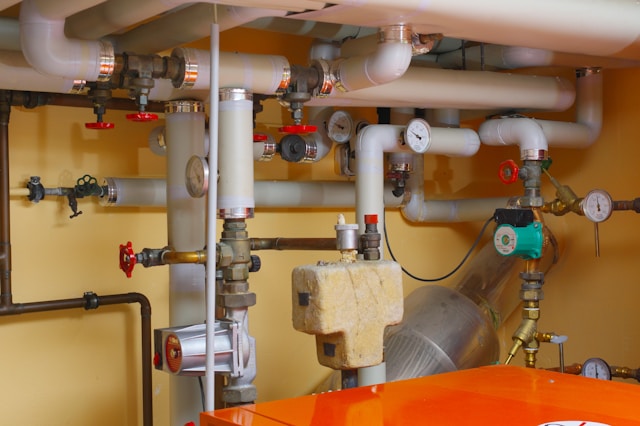
1. Burst Pipes
High temperatures in Phoenix can cause pipes to expand and contract, leading to potential leaks and bursts. To prevent this, make certain your outdoor pipes are properly insulated, and consider installing smart leak detectors to alert you to any issues early on.
2. Water Heater Failure
The increased water demand during summer can strain your water heater. Regular maintenance, such as checking temperature and pressure relief valves, can help prevent failures. Also, consider upgrading to a more efficient water heater.
3. Clogged Drains
Hard water buildup and aging pipes can clog your drains. Use a drain cleaner periodically, and consider installing drain protection devices to catch hair and other debris before they enter your pipes.
4. Sewer Backups
Sewer line backups can occur due to pipe belly issues or galvanized pipe deterioration. Regular inspections by a licensed plumber can identify these problems before they escalate. Keeping your sewer lines clear with annual drain cleaning can also prevent backups.
5. Overflowing Toilets
High water usage during summer can put extra pressure on your plumbing system, leading to overflowing toilets. Installing a pressure regulator can help manage water pressure, and making sure your toilets are in good working condition can prevent overflows.
Why Plumbing Emergencies Spike in Phoenix Summers
Phoenix’s extreme summer conditions, characterized by soaring temperatures and occasional monsoons, create a perfect storm that greatly stresses your plumbing system. The high temperatures can cause your pipes to expand and contract, leading to potential leaks and bursts. This expansion puts considerable stress on the joints and fittings of your pipes, which can result in costly repairs if not addressed promptly[3][5].
During the summer, the demand for water increases markedly, leading to high water pressure in your plumbing system. This increased pressure can exacerbate any existing weaknesses in your pipes, causing clogs and other plumbing emergencies. Additionally, the intense heat can weaken and brittle your pipes over time, making them more susceptible to damage[3][5].
Monsoons, which are common in Phoenix during the summer, can also contribute to plumbing problems. Heavy rainfall can overwhelm your sump pump and sewer systems, leading to backups and flooding in your basement or crawlspace. Regular inspections and proper maintenance are essential to preventing these monsoon-related plumbing issues and ensuring your system remains functional throughout the summer[1][5].
1. Burst Pipes
When the intense summer heat in Phoenix causes your pipes to expand and contract repeatedly, it can lead to a significant risk of burst pipes. This repetitive stress, combined with the increased water usage during heatwaves, puts extra pressure on your plumbing system. Any existing weaknesses, such as small leaks or corroded areas, can become more apparent and potentially disastrous[5%.
Exposed pipes are particularly vulnerable to the harsh Arizona sun. The UV rays can cause pipes to crack, break, or even burst over time. To prevent this, your plumber may add insulation or special water-based paint to protect the pipes from sun damage[1][5].
Another factor contributing to burst pipes is the growth of tree roots, especially during summers with monsoon rains. These roots can wrap around underground pipes, causing cracks or fractures that lead to leaks and eventually, burst pipes[1].
To prevent plumbing disasters, it is essential to inspect your pipes regularly for signs of wear, such as leaks, rust, or other damage. Installing protective measures like insulating domes for outdoor pipes and using smart leak detectors can also help mitigate the risk of burst pipes[2][4].
2. Sewer Line Backups
Sewer line backups are another common plumbing emergency that Phoenix homeowners may face, particularly during the intense summer months and monsoon seasons. The city’s unique climate, coupled with its aging infrastructure, creates a perfect storm for these issues.
The primary causes of sewer line backups in Phoenix include grease buildup, tree roots, old and deteriorating pipes, and the improper disposal of items down the drain. Here are some key points to bear in mind for sewer line backup prevention:
- Grease Management: Avoid pouring cooking grease down the drain, as it solidifies quickly in the pipes, causing stubborn clogs. Instead, cool and dispose of it properly.
- Tree Root Control: Be mindful of tree placement and use root barriers to prevent roots from invading your sewer lines.
- Regular Maintenance: Schedule yearly professional inspections to catch potential problems early. Regularly clean your drains using natural cleaners like baking soda and vinegar.
- Smart Landscaping: Knowledge of your sewer lateral’s location can help you make informed decisions about tree placement and landscaping to avoid root intrusion.
For severe blockages, think about services like hydro jetting in Phoenix, which can effectively clear out clogs without damaging your pipes. By taking these preventative measures, you can greatly reduce the risk of a sewer line backup and maintain a reliable plumbing system.
3. Clogged Drains
Clogged drains are a frequent and frustrating plumbing emergency that many Phoenix homeowners encounter, especially given the city’s hard water and the tendency for debris to accumulate in the pipes. During the summer, the increased water usage can exacerbate these issues, making it essential to understand the causes and take preventive measures.
Hair, grease, and food particles are among the most common culprits behind clogged drains. Hair from baths and showers can easily build up in drains, while grease and food residues from kitchen activities can solidify and block pipes. Additionally, soap scum and mineral deposits, particularly in areas with hard water, can reduce water flow and lead to clogs.
To prevent clogged drains, be mindful of what you put down your drains. Use drain guards to catch hair and other debris, and avoid disposing of large food chunks, coffee grounds, and fats or oils through the garbage disposal. Regular maintenance, such as scheduling annual professional drain cleaning, can also help remove buildup and prevent blockages. These proactive steps can save you from the hassle and cost of emergency plumbing repairs during the summer.
4. Water Heater Failures
After addressing the common issue of clogged drains, another significant plumbing emergency Phoenix homeowners face is water heater failures. The intense heat and hard water common in Phoenix can accelerate the deterioration of your water heater, leading to unexpected failures.
Here are some signs and preventive measures to regard:
- Age and Maintenance: If your water heater is approaching or has exceeded its typical 10-15 year lifespan, it may be nearing failure. Regular maintenance, such as checking temperature and pressure relief valves, can help extend its life[1][4].
- Leaks and Water Damage: Look for signs of leaks around the water heater, as they can indicate internal damage. Leaks can lead to significant water damage if not addressed promptly[1][4].
- Inconsistent Water Temperature: If you notice that the hot water is not as hot as it used to be or if the temperature is inconsistent, it could be a sign that your water heater is failing[1][4].
- Professional Inspection: Hiring a local plumber in Phoenix to inspect your water heater regularly can help identify potential issues before they lead to a full failure. This proactive approach can save you from costly repairs and emergency situations[4].
5. Outdoor Faucet & Hose Bib Leaks
Outdoor faucet and hose bib leaks are a common yet often overlooked plumbing emergency in Phoenix homes. These leaks can arise from various sources, including worn-out washers, loose connections, or damage to the faucet itself. To identify a leak, you can perform a simple test by placing your thumb over the hose bib opening; if the leak stops, it indicates an issue with the spigot[5%.
To prevent outdoor faucet leaks, it is vital to maintain your hose bibs regularly. Before the onset of cold weather, detach hoses and irrigation systems, and drain all hoses and pipes to prevent freezing and damage. In Phoenix, while cold weather is less common, the intense summer use can still cause wear and tear. Insulating your hose bibs with Styrofoam or using frost-free models can also help reduce the risk of leaks[4%.
Installing a smart leak detector can be a proactive measure to detect leaks early, preventing significant water damage and wasted resources. These detectors can alert you to even minor leaks, allowing you to address the issue before it escalates into a costly emergency. By taking these preventative steps, you can protect your plumbing system and secure reliable water supply throughout the summer.
Smart Tools to Prevent Summer Plumbing Disasters
To safeguard your home from the intense heat and heavy water use of Phoenix summers, investing in smart tools can be a game-changer. These advanced technologies are designed to prevent common Phoenix plumbing emergencies, such as burst pipes, sewer backups, and water heater failures, by monitoring and managing your plumbing system proactively.
Here are some smart tools you can consider:
- Smart Leak Detectors: Equipped with sensors, these systems monitor your plumbing infrastructure for any abnormalities in water flow. If a leak is detected, you receive immediate alerts on your smartphone, allowing you to address the issue before it causes significant damage.
- Smart Thermostatic Valves: These valves regulate the temperature of your water supply, ensuring energy is not wasted through excessive heating. They can also learn your usage patterns and adjust accordingly to enhance energy efficiency.
- Pressure Regulators: These devices help manage water pressure, which is essential during times of heavy water use. By maintaining ideal pressure, you can prevent pipes from bursting under excessive stress.
- Advanced Drain Protection: This includes technologies like smart drain sensors that alert you to potential clogs and other issues before they escalate into sewer backups or other emergencies.
When to Call a Professional Plumber in Phoenix
When the intense Phoenix summer heat and heavy water use start to take a toll on your plumbing system, it’s important to know when to call a professional plumber. Certain issues demand immediate attention to prevent costly damage and health risks. For instance, if you experience burst pipes, sewer backups, or gas line problems, don’t hesitate to call an emergency plumber. These situations can lead to significant water damage and health hazards if not addressed promptly.
Other signs that you need a professional plumber include gurgling pipes, which could indicate frozen or compromised pipes, and a rotten egg smell, which often signals a main sewer issue. If you’re adding new water-dependent appliances or fixtures, it’s best to hire a licensed plumber to guarantee the job is done correctly.
Include regular checks in your summer plumbing checklist to identify potential problems early. For sewer issues, consider trenchless sewer repair in Phoenix, which is less invasive and can save you from extensive digging and property damage. Choosing a licensed and experienced plumber with good reviews and reasonable pricing will give you peace of mind and quality service, helping you maintain a reliable water system throughout the extreme weather conditions.
Final Tips for Summer Plumbing Preparedness
As the Phoenix summer intensifies, it’s important to be proactive about your plumbing system’s health. The extreme heat, monsoons, and heavy water usage can lead to a range of summer plumbing issues in Phoenix, but there are several steps you can take to prepare.
Here are some final tips for summer plumbing preparedness:
- Insulate Exposed Pipes: Insulating your pipes, especially those in attics, basements, and exterior walls, helps maintain a stable temperature and prevents expansion and contraction that can lead to leaks and bursts.
- Monitor Water Pressure: High water pressure can strain your pipes, so installing a pressure regulator is vital to maintain safe water pressure levels and protect your pipes from excessive stress.
- Check for Leaks Regularly: Regular inspections for signs of leaks, such as damp spots or unexplained increases in your water bill, can prevent minor issues from becoming major problems.
- Consider Water Softener Installation: Arizona’s hard water can cause mineral buildup in your pipes, which can exacerbate issues caused by extreme heat. Installing a water softener can help reduce this buildup and prolong the life of your plumbing system.